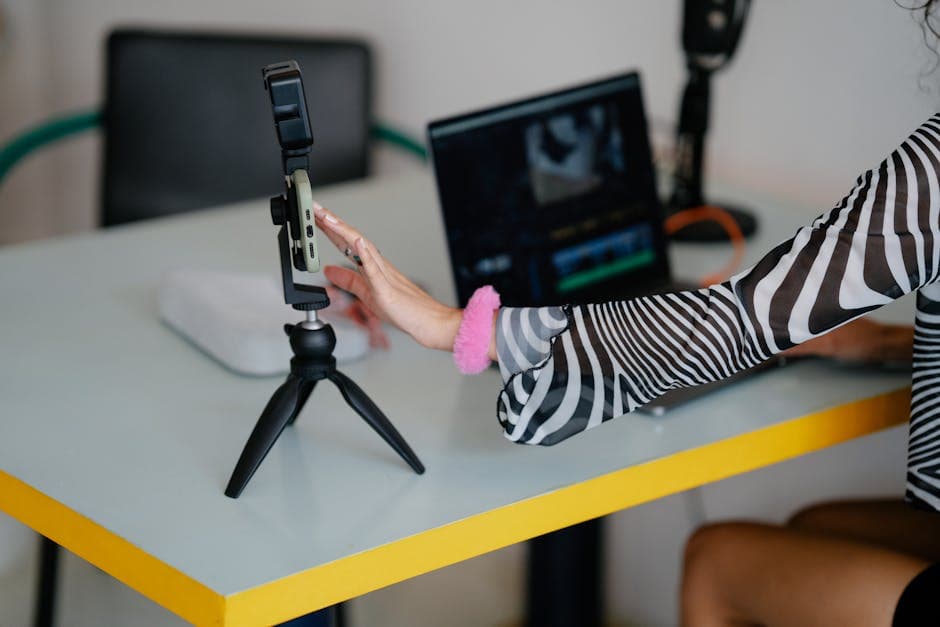
Video Podcast SEO: How to Make Episodes Easier to Find on YouTube and Google
A practical guide to video podcast SEO: titles, watch pages, thumbnails, transcripts, clips, and platform signals that help more episodes get discovered on YouTube and Google.
A lot of podcast teams think SEO means stuffing a few keywords into episode titles and hoping for the best. That is not really the game anymore. If you are publishing video podcasts, discovery is shaped by a mix of packaging, watch-page structure, retention signals, transcripts, and whether your episode is easy for platforms to understand in the first place.
That is the good news too. Video podcast SEO is not some dark art reserved for giant creator teams. In practice, it is mostly about making each episode clearer, more indexable, and more useful at first glance. Do that consistently, and you give YouTube and Google more reasons to surface your show.
If your workflow already includes turning long-form episodes into short, social-ready assets with Loonacast, the real opportunity is bigger than clips alone. The same transcript, strongest moments, captions, and packaging discipline that make a good clip also make the full episode easier to discover.
Why video podcast SEO matters more now
Podcast listening keeps growing, but so does the amount of content competing for attention. Edison Research reported in The Infinite Dial 2024 that 47% of the U.S. 12+ population listened to a podcast in the last month and 34% listened in the last week. That is healthy demand, but it also means discoverability matters more than ever.
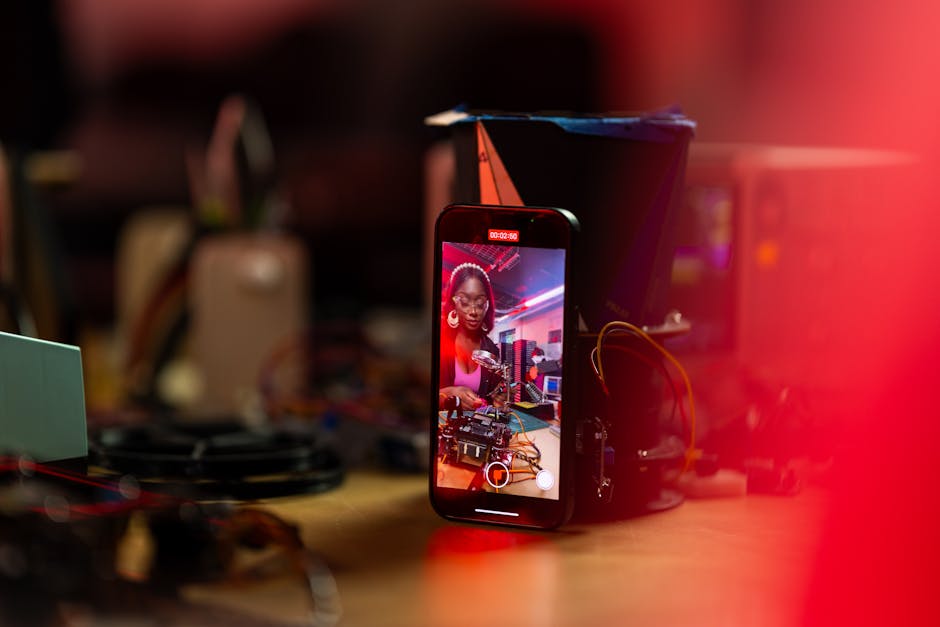
Video changes the equation because it gives your episodes more surfaces to be found on. YouTube now treats podcasts as a first-class format, including dedicated podcast setup, podcast analytics, eligibility for YouTube Music, and stronger discovery features for podcast playlists. YouTube also says its analysis found that 80% of top-watched podcast videos featured hosts on video and that those videos saw 2x more views than static visualizations. You can see that directly in YouTube’s podcasting on YouTube resources.
That does not mean every show needs a high-end studio. It means visual packaging and platform understanding now affect podcast discovery much more than they used to. If you want the full episode to be found, not just your social clips, SEO has to include the video layer.
Start with the watch page, not just the upload
One of the most useful points in Google’s video SEO best practices is also the least glamorous: Google wants a clear watch page. In Google’s language, a dedicated watch page is a page where the main purpose is to watch one specific video. That matters because a generic blog post with an embedded episode is not the same thing as a page built around the video itself.
For podcasters, that creates a simple rule: every important episode should have one clear home.
That page should make the episode legible fast:
- a specific episode title
- a strong description that explains the topic quickly
- a stable thumbnail
- one obvious primary video
- supporting text that helps both humans and search engines understand the conversation
If you publish on YouTube, the YouTube watch page already does part of that work. If you also publish episodes on your own site, the same clarity applies there too. Google explicitly recommends unique titles and descriptions for each watch page, plus stable video and thumbnail URLs where relevant.
This is one reason vague episode naming hurts twice. It weakens click-through and it makes the page less understandable to the platform. If the title only makes sense to loyal fans, your SEO is already doing less than it could.
Titles, thumbnails, and descriptions do most of the heavy lifting
People often talk about podcast SEO as if it lives in metadata. In reality, discovery starts with packaging. On YouTube especially, the platform needs enough clarity to test your video with the right audience, and the audience needs a reason to click when it appears.
A stronger video podcast package usually looks like this:
Title for the outcome, not the archive
Weak title: Episode 42 with Jane Smith
Better title: Why Most B2B Podcasts Stay Invisible After Publishing
The second version tells the viewer what problem the episode is about. It also gives search and recommendation systems a cleaner topic signal.
Thumbnail for recognition, not decoration
Google’s documentation emphasizes that videos need valid thumbnails and stable thumbnail URLs for indexing. On YouTube, thumbnails also do the obvious human job: they decide whether the episode gets a shot at attention. Clear faces, strong contrast, and a simple idea beat clutter almost every time.
Description for context, not filler
Descriptions still matter because they help define what the episode is about. The trick is writing them like a smart summary, not a keyword landfill. Lead with the concrete topic, mention the main ideas, and include useful context such as guest expertise or the problem being solved.
If you want to pressure-test your episode packaging, compare it with the discipline in our posts on how to repurpose podcast content and what small podcasts can learn from big shows. The same principle shows up everywhere: clear packaging travels further.
Transcripts help discovery because they add usable language to the episode
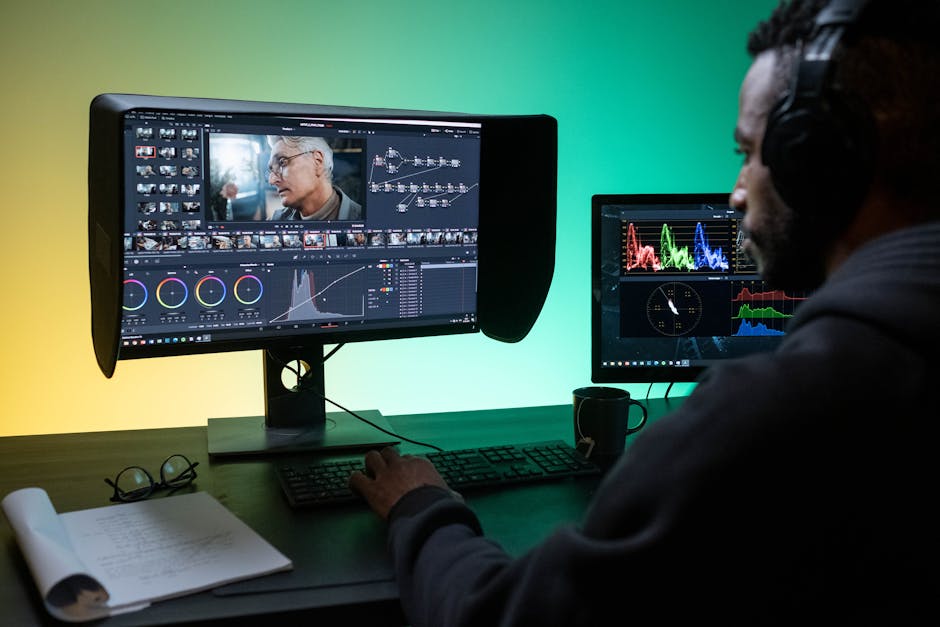
Transcripts are often framed as an accessibility add-on, but they are also part of a discoverability system. They make the episode easier to search internally, easier to turn into summaries and clips, and easier to repackage into text that reflects what was actually said.
This matters because many podcast teams still write show notes from memory. That usually produces soft, generic copy. A transcript-driven workflow produces sharper titles, better summaries, stronger clip selection, and cleaner keyword alignment because the real phrasing is already there.
That is one of the practical advantages of Loonacast’s workflow. You can import episodes from YouTube, RSS, Riverside, or file upload, generate an automatic transcript with word-level timing and speaker detection, identify the strongest moments, and fine-tune clip boundaries directly in the Studio editor. The immediate win is faster short-form production. The less obvious win is editorial precision: better wording, better hooks, and more faithful packaging around the full episode too.
If transcript quality is already part of your content stack, it is also worth reading how to transcribe a YouTube video to text. The underlying point is simple: the more usable text you can extract from an episode, the easier it becomes to build search-friendly assets around it.
Short clips can improve full-episode discoverability
This is where a lot of teams think too narrowly. Clips are not only top-of-funnel assets for TikTok, LinkedIn, or Shorts. They are also testing tools. They tell you which hook, phrase, claim, or topic segment actually earns attention.
That feedback loop can improve video podcast SEO in at least three ways:
- Better title language — the clip that gets the strongest response often contains the real headline for the full episode
- Better thumbnail framing — standout moments reveal what emotional or intellectual tension the episode should be packaged around
- Better segment emphasis — if one idea consistently pulls attention, it probably deserves more prominence in the episode description, chapters, and supporting copy
This is one reason it helps to treat clips as research, not just promotion. Our guides to podcast clips for YouTube Shorts, podcast clips for TikTok, and podcast clips for LinkedIn all point at the same broader truth: clips teach you what the market finds legible fast. Good SEO depends on that too.

What most podcast teams get wrong about SEO
The most common mistakes are surprisingly boring:
- publishing episodes with vague, personality-first titles
- using the same thumbnail style even when it is unreadable on mobile
- treating transcripts as an afterthought
- embedding videos on pages where the video is not the main point
- writing descriptions that say almost nothing
- posting clips without feeding what they learn back into episode packaging
None of those mistakes are catastrophic on their own. Together, they make the show harder to classify, harder to click, and harder to recommend.
The better mindset is this: SEO is not a metadata task you do five minutes before publishing. It is an editorial clarity task. The clearer the episode is to humans, the easier it becomes for platforms to understand and distribute it.
A practical video podcast SEO workflow
If you want something simple enough to repeat every week, this is the version that usually holds up:
- Record with clear topic framing so the episode has an obvious promise
- Review the transcript to find the strongest language, claims, and searchable phrasing
- Package the full episode with a specific title, useful description, and strong thumbnail
- Create a dedicated watch-page experience on YouTube and, where relevant, on your own site
- Pull multiple clips from the best moments and test which framing earns attention
- Use that feedback to sharpen future titles, intros, descriptions, and episode structure
That is where the clip workflow and the SEO workflow stop being separate projects. They become one content system.
Final takeaway
Video podcast SEO is less about gaming algorithms and more about reducing ambiguity. Make the episode easier to identify, easier to click, easier to index, and easier to talk about. That means better watch pages, clearer titles, stronger thumbnails, transcript-driven packaging, and a clip workflow that keeps teaching you what the audience responds to.
The teams that do this well are not necessarily publishing more episodes. They are publishing more legible ones. And when you combine solid episode packaging with a workflow that turns the strongest moments into finished clips with captions, branding, layouts, and B-roll, you give every recording more chances to be found long after upload day.
Want more reach from your podcast, without the extra work?
Loonacast is the done-for-you agency for podcasters. You record the episode; we turn it into social clips, publish them, and grow your reach.